Industries · Trucking
Trucking mental health training for drivers, dispatch and the yard
Drivers spend most of the day alone, and the first sign of trouble often reaches a dispatcher as a change in someone’s voice. Bedrock Minds trains the whole operation to respond and follow up.
The work
What the job puts on drivers
Long hours, time away, and a cab that is also an office and a bedroom.
The federal hours of service regulations allow a driver up to 13 hours of driving and 14 hours on duty before at least eight consecutive hours off. Within those limits, a long-haul driver can be gone for days: sleeping in the cab, eating on the road, and missing what happens at home.
Much of that time is spent alone. The Canadian Centre for Occupational Health and Safety describes a person as alone at work when they cannot be seen or heard by another person. For a driver, that is most of the shift. There is no co-worker at the next station to notice a bad week.
- Isolation. Long stretches with no one to talk to, and family life that goes on without you.
- Time pressure. Appointments, traffic, border waits and weather that push a schedule out of shape.
- Road incidents. A collision, a near miss, or being first on scene at someone else’s crash.
- Hostility. Arguments at the dock or the shipper, and aggression on the road.
Who notices first
Dispatch hears it before anyone sees it
In trucking, the early signs often come through a call, a message or a missed check-in.
A dispatcher talks to the same drivers every day and knows what normal sounds like. A shop tech or yard jockey sees a driver at the start and end of a trip. A driver trainer, or another driver on the same lane, may hear more than anyone in the office. These are the people the course trains.
The 4C Pathway gives them a sequence that holds up under pressure. Check the scene, yourself and the person, and ask directly about suicide when it is warranted. Connect privately and calmly, and listen. Care: share what helps, encourage supports and agree on one next step. Close the loop: follow up, report the hazard in the work rather than the person, and look after yourself.
When a driver is hundreds of kilometres away, that last step carries a lot of weight. A call the next day, from someone who said they would call, shows the first conversation was meant.
If someone is in immediate danger, call 9-1-1. For a suicide crisis, 9-8-8 is available by call or text.
Federally regulated carriers
If your trucks cross provincial borders
Interprovincial and international trucking falls under federal workplace rules, not Ontario’s.
The Government of Canada’s list of federally regulated industries includes road transportation services, including trucks and buses, that cross provincial or international borders. Those carriers have their own duties under the federal Work Place Harassment and Violence Prevention Regulations, including training for employees within three months of starting and at least once every three years after that.
Bedrock Minds is psychological health and safety training. It does not replace the harassment and violence prevention training those regulations require, and the two can sit side by side in your training plan. We explain what the federal rules ask of employers in Federal harassment and violence training requirements.
Booking it
Responder for drivers and dispatch, Champion for the people who run safety
The online modules are self-paced, so drivers can complete them around their schedules. Then everyone comes together for one practical day.
Responder: drivers, dispatch, shop and yard
About 5.5 hours online: foundations, the 13 workplace factors, the 4C Pathway and critical events. Learners pass each module quiz at 80% or better, then lead at least two scenarios to standard on the practical day, including one crisis. About Responder
Champion: safety, HR, terminal managers
About 10.5 hours online across all eight modules, including finding hazards, building the plan and measuring results. Champions also take tabletop and mini-audit roles, and write a 90-day plan for their own organization. About Champion
The practical day
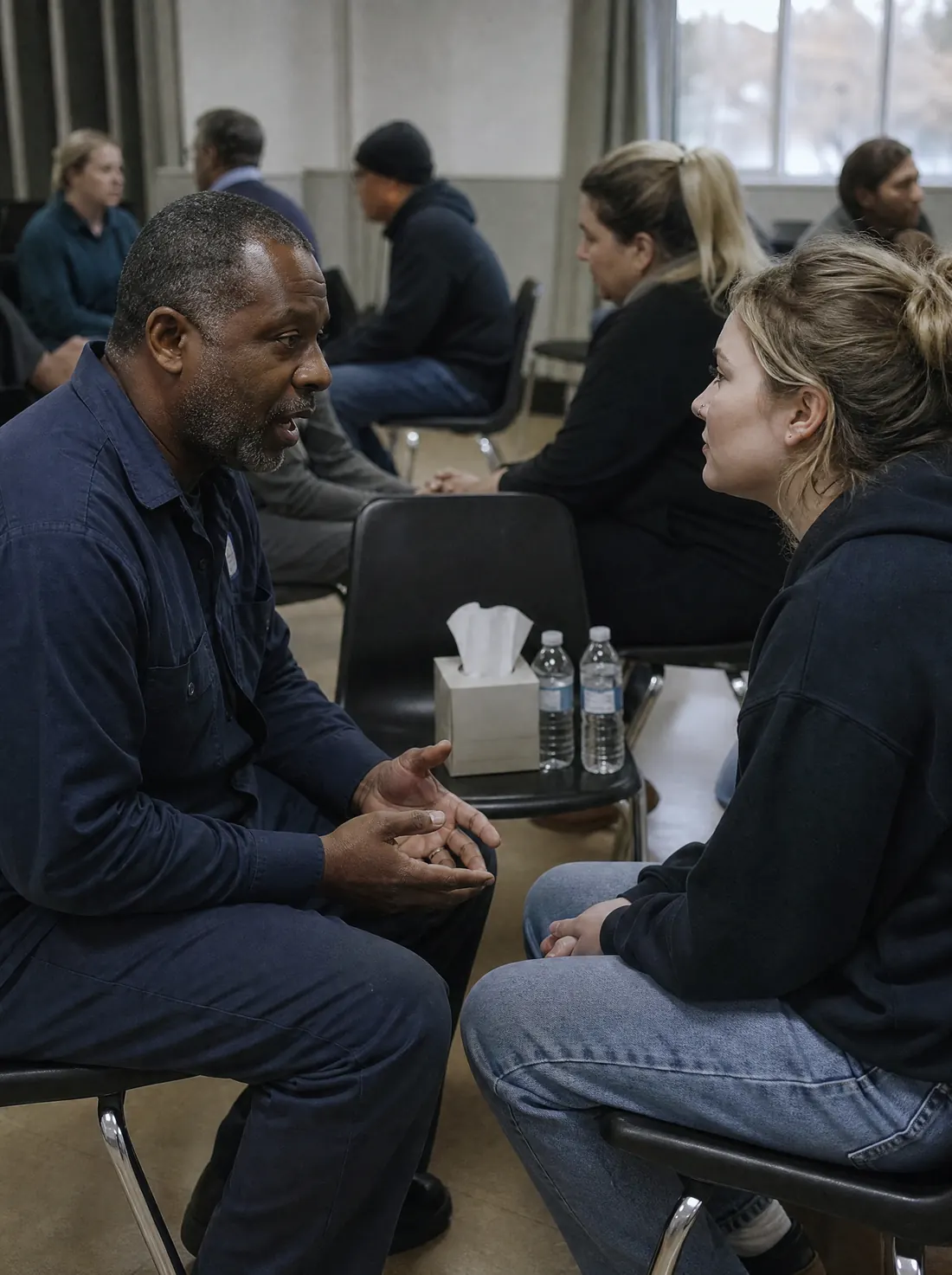
Often held at your own workplace, if the terminal has a main room with movable chairs, breakout corners, a separate room with a door for the crisis station, and a quiet room. Trained facilitators and actors, with a maximum of 12 learners per pair of facilitators. About the practical day
The tabletop exercise works through a critical event: who checks on whom, who calls whom, and what happens next. A fleet needs those answers before a serious collision, not after. Every debrief starts with “what zone?” (green, yellow, orange or red), and each group leaves with a de-identified hazard register: the conditions in the work that wear people down, with no names attached.
Sources
- Justice Laws Website, Commercial Vehicle Drivers Hours of Service Regulations (SOR/2005-313)
- Canadian Centre for Occupational Health and Safety, Working Alone
- Government of Canada, List of federally regulated industries and workplaces
- Justice Laws Website, Work Place Harassment and Violence Prevention Regulations (SOR/2020-130)
Build your team’s footing.
Tell us how many people you want to train, which streams, and where your workplace is. We reply within one business day with a quote and available dates.